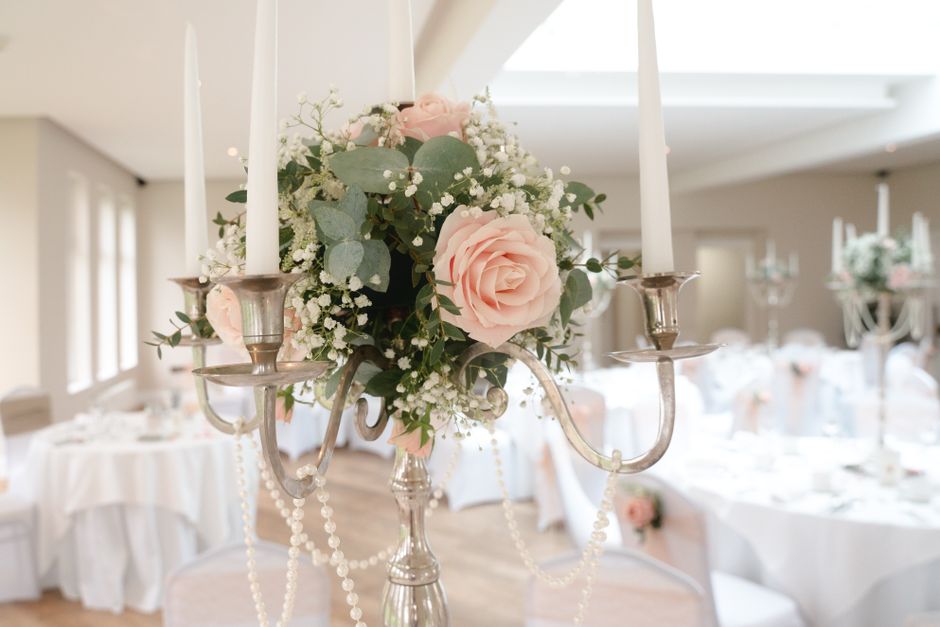
Merton Abbey Mills wedding flowers by Colliers Wood florists
Posted on 24/10/2026
Planning a wedding at Merton Abbey Mills has a very particular charm to it. The setting feels creative, relaxed, and just a little bit tucked away from the rush of everyday London life, which is exactly why the flowers matter so much. The right arrangements do more than look pretty. They shape the feel of the day, frame the photographs, and help the venue feel like yours.
If you are looking for Merton Abbey Mills wedding flowers by Colliers Wood florists, you are probably after two things at once: local know-how and wedding flowers that actually suit the space. That combination is worth a lot. A florist who understands the Colliers Wood and SW19 area can help with timing, delivery, style choices, and the little practical details that can make or break a smooth wedding morning. This guide walks through how it works, what to think about, what to avoid, and how to get the most from your wedding flowers without turning the planning into a headache.
Table of Contents
- Why Merton Abbey Mills wedding flowers by Colliers Wood florists Matters
- How Merton Abbey Mills wedding flowers by Colliers Wood florists Works
- Key Benefits and Practical Advantages
- Who This Is For and When It Makes Sense
- Step-by-Step Guidance
- Expert Tips for Better Results
- Common Mistakes to Avoid
- Tools, Resources and Recommendations
- Law, Compliance, Standards, or Best Practice
- Options, Methods, or Comparison Table
- Case Study or Real-World Example
- Practical Checklist
- Conclusion
- Frequently Asked Questions
Why Merton Abbey Mills wedding flowers by Colliers Wood florists Matters
Wedding flowers are never just decoration, even if that is how they start out on the mood board. At Merton Abbey Mills, the surroundings already have character, texture, and a sense of place. That means flowers should complement the venue rather than fight it. A well-chosen bouquet, ceremony arrangement, or table design can soften industrial details, echo the natural light, and tie together outfits, stationery, and reception styling.
Local florists in Colliers Wood are especially useful because they understand the pacing of a London wedding day. They know that traffic can be unpredictable, that loading bays are not always glamorous, and that one delayed van can throw the whole schedule off. To be fair, this is the part many couples do not think about until the week before. A local florist plans for it from the start.
There is also a design reason this matters. A wedding in a characterful setting like Merton Abbey Mills often suits flowers that feel intentional rather than overdone. That might mean airy bridal bouquets, garden-style centrepieces, or a compact, elegant palette that sits beautifully against the venue's texture. The right florist can help you avoid that awkward mismatch where everything is lovely on its own, yet somehow not quite right together.
Practical takeaway: the best wedding flowers for Merton Abbey Mills are not simply the prettiest flowers. They are the flowers that suit the venue, the timing, the season, and the practical realities of the day.
How Merton Abbey Mills wedding flowers by Colliers Wood florists Works
The process is usually straightforward, but there are a few moving parts behind the scenes. First comes the consultation, where you talk through your date, the venue layout, your colour palette, and the overall style of the day. A florist may ask about your dress, bridesmaids, suit colours, ceremony time, and reception setting because all of these details affect the floral design.
From there, the florist usually builds a proposal or a mood-led recommendation. That might include bridal bouquets, bridesmaid bouquets, buttonholes, ceremony pieces, aisle markers, table arrangements, and extra pieces for welcome areas or the cake table. If you want a cohesive look, it helps to think in sets rather than isolated items. A bouquet that feels timeless but a table design that suddenly goes tropical? It can happen. Best avoided, frankly.
For a local wedding delivery, the logistics matter as much as the flowers themselves. Colliers Wood florists can coordinate delivery windows, discuss setup needs, and advise on what should arrive first. For example, bouquets and buttonholes usually need to be on site before guests arrive, while table arrangements can be placed a little later if the venue timing allows. If you need flexible delivery more generally, a florist's wider service pages such as flower delivery in Colliers Wood and delivery information can be useful for understanding the practical side of fulfilment.
Some couples also like to order smaller floral extras, especially if the wedding sits inside a broader family weekend. A bouquet for a mum, a thank-you arrangement for a host, or a last-minute emergency gift can all be sorted alongside the main order through options like send flowers in Colliers SW19. Not every wedding needs that, of course. But when it is needed, it is very handy.
Key Benefits and Practical Advantages
Using a Colliers Wood florist for Merton Abbey Mills wedding flowers brings more than convenience. It brings control, consistency, and calmer decision-making. And if you have ever tried to organise a wedding with too many tabs open, you will know that calm matters.
- Local timing knowledge: a nearby florist is better placed to account for traffic, venue access, and final-mile delivery quirks.
- Venue-aware design: flowers can be tailored to the feel of Merton Abbey Mills rather than chosen in a generic way.
- Faster communication: local florists can often answer questions, adjust details, and handle last-minute clarifications more smoothly.
- Consistent flower quality: choosing a specialist wedding florist helps ensure that bouquets, buttonholes, and table designs feel like part of one story.
- Better budget control: you can prioritise the flowers that matter most, rather than spreading spend too thinly.
- Reduced stress on the day: the right florist handles setup, timing, and presentation so you are not running around with ribbon and water buckets at 10 a.m.
There is also a visual benefit that couples sometimes underestimate. Flowers influence how colours read in photographs. Creams, blush tones, whites, greens, and soft pastels can look wonderful in natural light, while bolder shades can add warmth and contrast. A good florist knows how to balance statement and restraint. Truth be told, that balance is where a lot of the magic lives.
Who This Is For and When It Makes Sense
This approach makes sense for couples who want a wedding with a strong sense of place, especially if they are getting married at or near Merton Abbey Mills and want flowers that suit the surroundings. It is also a sensible choice for anyone who wants a local florist to manage design and delivery without relying on a far-away supplier who does not know the area.
You may especially benefit from it if:
- you are planning a ceremony and reception in SW19 or nearby;
- you want cohesive wedding flowers, not just one bouquet and a few extras;
- you care about the flowers looking good in photographs as well as in person;
- you want buttonholes, bridesmaid bouquets, and table arrangements to work together;
- you prefer clear communication and practical support over endless back-and-forth;
- you are managing a smaller wedding and want the floral spend to feel focused and intentional.
It also makes sense for couples who have a particular style in mind but need help translating that into something workable. Pinterest boards are lovely, but they can be a bit chaotic. One bride will show you a white garden bouquet, another will save a dramatic red centrepiece, and somehow they end up expecting both in the same room. A local florist can gently steer things back into reality without making it feel dull.
If you are still exploring the florist side more broadly, pages like florist Colliers SW19, wedding flowers in Colliers Wood, and about us can help you understand the style and service approach before you commit.
Step-by-Step Guidance
If you want a smooth wedding flower experience, it helps to treat the process like a sequence rather than one big decision. Here is a practical way to approach it.
- Start with the venue and date. Merton Abbey Mills has its own rhythm, and the season matters too. A spring wedding may suit softer blooms, while late summer can open up richer colours and fuller arrangements.
- Decide what flowers are truly needed. Think bridal bouquet, bridesmaid bouquets, buttonholes, ceremony flowers, reception arrangements, and any extras like cake flowers or a flower crown.
- Choose the overall style. For example: classic, modern, rustic, romantic, minimal, or garden-inspired.
- Set the colour palette. Keep it tight. Three to five shades is usually enough unless you want a deliberately more eclectic feel.
- Share practical details. Dress shape, venue access, table count, timings, and any restrictions all help the florist design sensibly.
- Ask about seasonal availability. This matters more than many couples expect. Your florist can suggest alternatives if a specific bloom is not the best option.
- Confirm delivery and setup. Who is receiving the flowers? When? Where exactly should they go? Small question, huge difference.
- Check the final list a few days before. Mistakes are easier to catch early than on the morning of the wedding, when everyone is already in motion.
A useful habit is to think in layers. First the shape, then the colour, then the texture, then the logistics. That order keeps things grounded. One florist might describe this as "flowering the day," which sounds slightly poetic, but it is also a decent summary.
Expert Tips for Better Results
In our experience, the best wedding flower outcomes happen when couples share fewer vague ideas and more concrete references. Instead of saying "something elegant," try saying "white and green with soft movement, not too rigid" or "blush and ivory, but not sugary." That level of detail gives the florist something useful to work with.
Keep the bouquet and venue in conversation. If Merton Abbey Mills is doing most of the visual work, the flowers should support the atmosphere rather than overpower it. On the other hand, if the room is quite plain, you may want a stronger floral statement.
Think about stems and structure, not just colour. Some flowers are naturally more romantic and loose, while others feel crisp and formal. Roses, lisianthus, orchids, lilies, chrysanthemums, and hydrangeas each create a different mood. A florist can explain this in plain English, which is always welcome.
Ask for a plan B. Seasonality and supply can shift. That does not mean your flowers will be compromised. It means a good florist chooses flexible design logic so substitutions still look intentional.
Make transport easy. If bridesmaids are travelling, if the ceremony and reception are at different locations, or if family members are collecting flowers, say so early. Half the stress of wedding flowers is not floral. It is movement. A rather unglamorous truth, but there it is.
Use sample pieces wisely. If you want a big floral feature but the budget is tight, place the focal point where it will be seen most: entrance, top table, ceremony backdrop, or bridal bouquet. That gives you more visual return for the spend.
One more thing. Don't choose flowers only because they are trendy this month. Trendy can be lovely, yes, but weddings are photographed for a long time. It is better to choose something that still feels like you when you look back years later.
Common Mistakes to Avoid
Wedding flowers are an easy place to overspend or underplan. Both can be fixed, but they are easier to avoid in the first place.
- Leaving florist booking too late: good wedding dates move quickly, especially during popular spring and summer periods.
- Overloading the palette: too many colours can make the design feel busy rather than polished.
- Ignoring the venue: flowers that look perfect online may feel wrong in the actual space.
- Forgetting the practical bits: transport, setup, water, and timing matter just as much as the flowers themselves.
- Not confirming quantities: "a few buttonholes" is vague. Count them properly.
- Choosing blooms without checking seasonality: that can lead to disappointment or unnecessary cost.
- Leaving the bouquet until last: the bridal bouquet is often the most photographed arrangement of the day.
A smaller but common mistake is not thinking about the end of the wedding day. What happens to the arrangements after the meal? Can table flowers be moved to another area? Will guests take them home? A florist can help plan for that, and it is worth asking. Flowers are lovely; waste is not.
Tools, Resources and Recommendations
You do not need fancy software to plan wedding flowers well. In practice, a few simple tools do the job better than a dozen tabs and a vague memory.
- A shared mood board: use saved images to show style, but add notes about what you actually like in each one.
- A colour reference: even a fabric swatch or a photo of the dress can help.
- A wedding day timeline: this allows the florist to work backwards from ceremony time.
- A guest and table list: useful when planning centrepieces and buttonholes.
- A budget range: not a fantasy number, the real one.
For product inspiration, the wedding-specific collections on the site can be a helpful starting point. A few options worth browsing include wedding collections, bridal bouquets, bridesmaid bouquets, buttonholes, wedding corsages, and table arrangements.
If you want a more full-service approach, curated wedding sets can be useful because they make it easier to keep the style coherent. For example, collections such as White Wonders Wedding Collection, The Perfect Match Wedding Collection, or Forever Together Wedding Collection may help you picture the overall feel without having to build every component from scratch.
Law, Compliance, Standards, or Best Practice
Wedding floristry is not heavily regulated in the way some industries are, but there are still standards and best practices that matter. A trustworthy florist should be clear about what is included, when payment is due, how delivery works, and what happens if a product needs to be substituted. That clarity protects both sides and keeps the day running properly.
In the UK, businesses handling customer data should also respect privacy expectations, and a florist should be transparent about order details and contact information. Likewise, if flowers are delivered to a venue, the florist should follow venue access rules, delivery instructions, and any setup limitations given by the site. It sounds obvious, but the obvious things are often where weddings wobble.
Another important best practice is honesty about freshness and care. Wedding flowers should be prepared with enough hydration and protected during transport. Your florist should be able to advise how long bouquets and arrangements can comfortably last before the ceremony, especially in warm weather or if the day is long. Good advice here is practical, not theatrical.
For buyers, terms and conditions matter too. It is sensible to read the florist's policies on delivery, substitutions, refunds, and care. If you need more background on the wider business approach, pages such as returns and refund, terms and conditions, guarantees, and privacy policy are useful to review before placing an order.
It is also worth asking whether the florist has a clear sustainability approach, particularly if you care about the sourcing and after-use of your flowers. The site's sustainability page can help with that conversation. None of this needs to become a lecture. It just helps everyone feel grounded and informed.
Options, Methods, or Comparison Table
Different weddings need different floral approaches. There is no one perfect method, and that is actually a relief. A small registry-style ceremony does not need the same floral budget as a full-scale reception, and a modern minimalist wedding will not suit the same arrangements as a lush, romantic one.
| Approach | Best for | Strengths | Watch-outs |
|---|---|---|---|
| Bridal-bouquet-led | Smaller weddings, simple styling, photo-focused couples | Budget-efficient, elegant, easy to carry through the day | Can look too minimal if the venue needs more softness |
| Full wedding package | Couples wanting coordinated bouquets, buttonholes, ceremony, and reception flowers | Coherent look, easier planning, stronger visual impact | Needs earlier booking and clearer budget planning |
| Venue accent focus | Spaces that need atmosphere more than volume | Good for entrances, top tables, and photography moments | Less emphasis on personal florals if not balanced carefully |
| Seasonal florist-choice design | Couples open to suggestions and natural variation | Often more flexible, more relaxed, and can feel fresh | Less control over exact blooms, so trust matters |
If you are torn between options, ask yourself a simple question: what will you notice most in the photos and in the room itself? That usually points you toward the right method. Not always, but often enough.
Case Study or Real-World Example
Here is a realistic example based on the kind of wedding brief a local florist might handle at Merton Abbey Mills.
A couple wanted a relaxed ceremony with a creative, lightly romantic feel. They loved soft whites, pale blush, and greenery, but they did not want the flowers to look overly formal. The florist suggested a loose bridal bouquet, smaller bridesmaid bouquets, understated buttonholes, and simple but graceful table arrangements. Instead of trying to make every table a major statement, the design focused on the most visible touchpoints: the ceremony area, the couple's main table, and the bouquet itself.
The practical benefit was that setup stayed manageable. The aesthetic benefit was that the flowers looked as though they belonged in the venue. Nothing felt forced. Guests noticed the bouquet first, then the ceremony flowers, and later the table pieces created that gentle, warm feeling you want when people sit down and properly relax. It was a nice example of restraint working in the couple's favour.
That is often the lesson with wedding flowers at a venue like Merton Abbey Mills: you do not always need more. You need better placed, better chosen, and better timed. Small detail, big difference.
Practical Checklist
Use this checklist to keep the planning tidy. It is simple, but very useful.
- Confirm wedding date, venue, and ceremony time
- Decide which floral items you actually need
- Choose a style: classic, modern, romantic, rustic, or garden-inspired
- Set a colour palette and keep it disciplined
- Share dress, suit, and bridesmaid colour details
- Ask about seasonal blooms and alternatives
- Confirm delivery address, access details, and setup timing
- Review bouquet size and buttonhole quantities
- Check table counts if centrepieces are needed
- Ask what happens if a flower needs substituting
- Read the florist's terms, delivery, and refund information
- Confirm how flowers will be repurposed or taken home after the wedding
Quick summary: the smoother the brief, the better the flowers. Clarity saves time, money, and a fair bit of stress, which is no bad thing before a wedding.
And if you are still narrowing your options, browsing specific product categories such as bridal bouquets, bridesmaid bouquets, or groom buttonholes can help you visualise what belongs in your final order.
Conclusion
Merton Abbey Mills is a venue where flowers can do a great deal of quiet, important work. They soften the setting, guide the eye, and give the whole day a sense of care. When you choose Merton Abbey Mills wedding flowers by Colliers Wood florists, you are not just buying stems and ribbon. You are choosing local understanding, reliable timing, and floral design that fits the place as well as the occasion.
The best results usually come from simple, careful decisions: choose a florist who knows the area, define the look you want, keep the palette focused, and allow space for seasonal judgement. That way, the flowers feel personal rather than copied, polished rather than fussy, and memorable without shouting for attention.
If you want flowers that feel right for the venue, right for the day, and right for the people in the room, the answer is usually a conversation with a local florist who listens well and plans properly. Not glamorous, maybe. But very effective.
Get a free quote today and see how much you can save.
Whatever you choose, let the flowers carry a little of the joy for you. That is, after all, what they are there for.
Frequently Asked Questions
Do Colliers Wood florists deliver wedding flowers to Merton Abbey Mills?
Yes, many local florists can arrange wedding flower delivery to Merton Abbey Mills, provided the delivery details, venue access, and timing are confirmed in advance. It is always best to share the ceremony schedule early so the flowers arrive at the right moment.
How far in advance should I book wedding flowers for Merton Abbey Mills?
It is sensible to book as early as possible, especially for spring and summer dates. Popular wedding periods fill quickly, and early booking gives more time to refine the style, choose seasonal flowers, and plan delivery properly.
What flowers work best for a wedding at Merton Abbey Mills?
That depends on your style and season, but many couples choose elegant, soft, or garden-inspired flowers that suit the venue's character. White, blush, green, lilac, and mixed seasonal palettes often work well, though bold colours can be beautiful too if used with care.
Can I order just a bridal bouquet and buttonholes?
Yes, you can usually order a smaller set of wedding flowers if that suits your day and budget. Some couples only need a bouquet, buttonholes, and one or two statement pieces. A good florist can help you prioritise.
Do I need centrepieces if the venue already looks decorative?
Not necessarily. If Merton Abbey Mills already has plenty of visual character, you may only need a few thoughtful floral touches rather than full table arrangements. It is better to spend where the flowers will make the biggest difference.
How do I make sure my wedding flowers match my dress and theme?
Share photos of your dress, bridesmaid outfits, and any venue styling with the florist. Even simple reference images can help a lot. Colour, shape, and texture all matter, not just the flower type.
Are seasonal flowers cheaper than out-of-season blooms?
Often, yes, because seasonal flowers are usually easier to source and more natural to the time of year. While pricing can vary, choosing flowers that are in season generally gives you more design flexibility and a better chance of getting the look you want.
What if a specific flower I want is unavailable?
A good florist should suggest a similar alternative that preserves the look and feel of your arrangement. Substitutions are normal in floristry, especially around weddings, so it helps to stay open to options that fit the design rather than one exact stem.
Should buttonholes and bouquets match exactly?
Not exactly. They should feel coordinated, but not identical. A wedding party looks more polished when the designs echo each other through colour or texture without becoming copy-and-paste versions.
Can wedding flowers be delivered on the same day as the ceremony?
Usually yes, and that is common practice. The key is agreeing the delivery window with your florist so bouquets, buttonholes, and venue flowers all arrive in the right order and stay fresh.
How much should I budget for wedding flowers?
Budgets vary widely depending on the number of items, the season, and the scale of the design. A florist can help you build a package around your priorities, which is usually the best way to keep spending sensible without losing impact.
What should I ask a florist before booking?
Ask about availability, delivery, setup, substitution policy, payment terms, and what is included in the quote. If you want to be extra practical, ask how they handle venue access and whether they can advise on flowers that suit Merton Abbey Mills specifically.